Frost and Mould in the Attic: Fix It Before Topping Up
Frost or mould in the attic means damp air from the house is leaking up there. Fix that leak first, then put new insulation on top.
Frost and mould in the attic both mean warm, damp air from your house is getting up there, and that has to be fixed before any new insulation goes in. Lay a blown-in top-up over a damp attic and it soaks up the same water the old layer did. Below is how to read the signs from your hatch, and which trade fixes which cause.
What frost on the nails means
Frost on the nail tips in your attic means warm, damp air from the rooms below is leaking up and freezing on the coldest things it touches. The roofing nails poking through the roof deck catch it first, then the underside of the deck itself. On a cold morning they can look furred over in white.
The trouble comes when it warms up. Sun on the shingles melts the frost, and it drips onto the insulation and sometimes through to the ceiling. Say a cold snap breaks and brown rings show up on a top-floor ceiling, but nobody can find a roof leak. That is usually attic condensation. Wet fibreglass or cellulose packs down and holds less warmth, and a roof deck that stays damp all winter can start growing mould.
A light dusting on a few nails during a deep freeze in Mississauga may be nothing much. Frost across the whole deck, or dripping you can hear, means a lot of damp air is getting through.
Where the damp air comes from
Damp air gets into the attic through gaps in the ceiling below it, and from anything that vents into the attic instead of outside. Warm air rises, so every opening in the top-floor ceiling acts like a small chimney. In an older Mississauga bungalow or backsplit still on its original insulation, those gaps may never have been sealed.
Gaps in the ceiling
The usual openings run along the top plates, where the wall framing meets the attic floor, and around plumbing stacks, electrical wires and ceiling light fixtures. A hatch lid that sits loose in its frame is another. None of these gaps look like much on their own. Added up, they move a steady stream of moist air.
A bathroom fan venting into the attic
A bathroom fan venting into the attic blows shower steam straight at the cold roof deck. Some fans went in with no duct at all. In other houses the duct has slipped off the fan housing or come apart at a joint, so it empties into the insulation instead of outside.
Buried soffit vents
Attic ventilation relies on vented soffits at the eaves pulling in outside air, which carries moisture out through vents near the peak. Push or blow insulation into the soffits and that airflow stops. The damp air then has nowhere to go but onto the roof deck.
Fix the cause, then insulate
Stop the damp air, let the attic dry out, and only then add what is missing. Put a top-up over a wet attic and it soaks up the same water, except now there is more material holding it.
Our part is the attic floor. We seal the air leaks in the ceiling at the top plates, stacks, wires and fixtures, and we fit baffles at the eaves so the soffit vents stay open once the new insulation is in. The air sealing is what stops the frost. The insulation keeps the house warm after the leaks are closed.
Insulation that is already soaked, matted or stained comes out. Covering it over doesn't help. Our attic insulation removal work clears it so the deck and joists can dry before anything new goes down. Dry insulation that is only a little thin can stay, and we add to it.
Some causes belong to other trades. When we find them, we'll tell you:
- A bathroom fan with no duct, or a loose one: a contractor who installs bathroom fans runs the duct outside.
- A roof leak, or not enough venting at the peak: a roofer fixes the leak and adds venting if the attic needs it.
- Mould on the roof deck: a mould remediation specialist (more on that in the next section).
Mould on the roof deck
Mould on the roof deck is a job for a mould remediation specialist. We don't do mould remediation. The specialist checks how far it has spread, cleans the deck and rafters, and tells you when the attic is ready for the next step.
You'll see it as dark grey or black blotches on the underside of the plywood or boards. It often turns up first on the north slope and near the eaves, where the deck stays coldest.
After the cleanup is done and the source of the damp is fixed, we come back to seal the ceiling, fit baffles and insulate. Insulating before the cleanup just buries the problem under a fresh layer. Not sure which of these applies to your house? Prime Insulation Contractors Mississauga can take a look from the hatch and sort out what needs dealing with now and what can be left alone.
What you can check from the hatch
You can see most of what matters with a flashlight from the attic hatch, without stepping off the ladder. Stay off the ceiling. The drywall between the joists won't hold your weight, and you'll crush the insulation.
Vermiculite is where we put the tools down. If the fill looks like light, grey-brown or gold pebbles with a mica-like shine, leave it completely alone. Our crew won't disturb it, and the job stops there. Have a qualified lab or abatement firm test it before any work goes ahead.
Pick a cold morning after a few days of freezing weather and look for:
- Frost or ice on the nail tips coming through the roof deck
- Dark stains or blotches on the underside of the roof deck
- Insulation that looks damp, matted, crusted or flattened in patches
- A bathroom fan duct lying loose on the insulation, or a fan housing with nothing attached
- Insulation packed into the eaves so the soffit vents are covered
Related questions
Frost forms in an attic when warm, damp air from the house leaks up and freezes on the cold nails and roof deck. It gets in through gaps at the top plates, plumbing stacks, light fixtures and the attic hatch, or from a bathroom fan venting into the attic. Buried soffit vents make it worse, because the moisture has no way out.
No. Insulation on its own won't stop attic condensation, and it can keep a damp attic damp for longer. What fixes it is sealing the air leaks in the ceiling, ducting any bathroom fan outside and keeping the soffit vents open with baffles. The insulation goes in after that.
A mould remediation specialist cleans mould out of an attic. That isn't work we do. Once the attic is clean and the cause of the damp is fixed, we come back to seal the ceiling and insulate.
Yes. Dry insulation that is clean and only a little thin can stay, and the new layer goes on top of it. Anything wet, matted, stained or soiled by rodents comes out first. Vermiculite is its own case: leave it untouched and get it tested before anyone works in the attic.
Services
How we can help in Mississauga
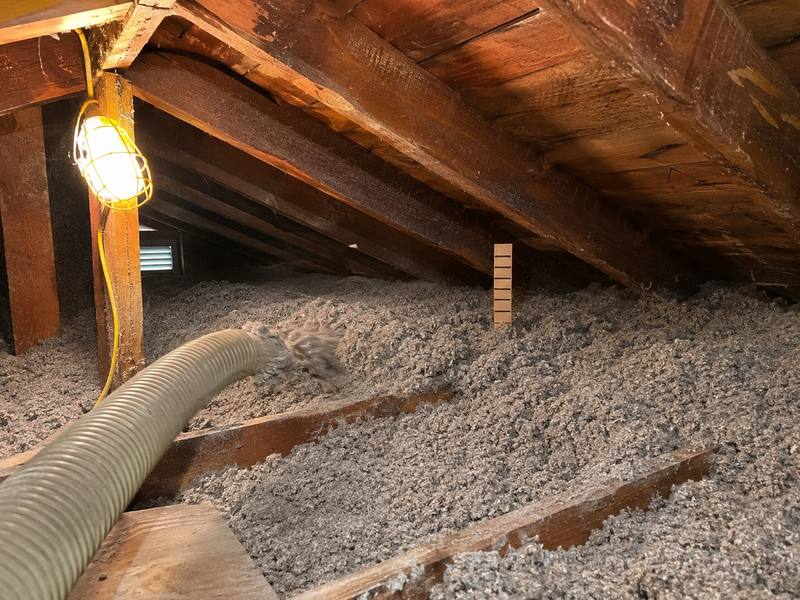
Blown-In Top-Ups
Loose fibreglass or cellulose blown over the attic insulation you already have, once anything wrong up there is fixed.
Learn more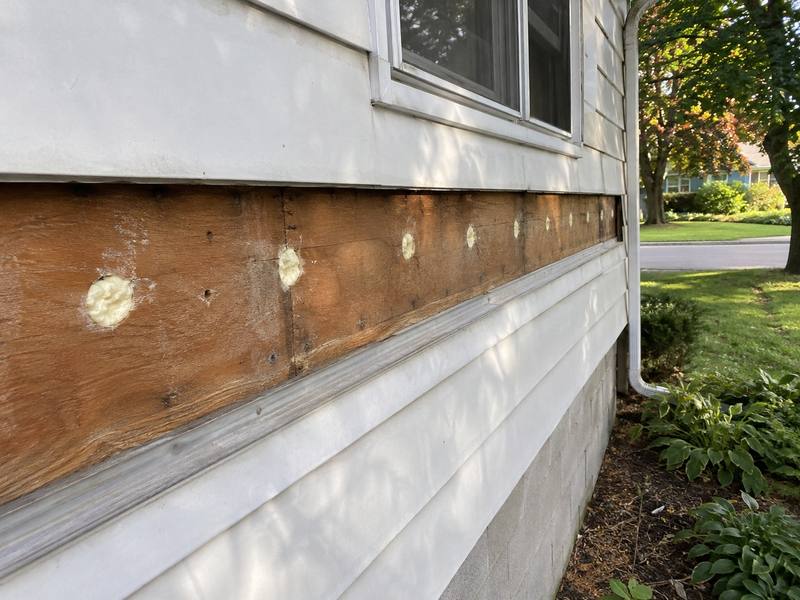
Wall Insulation
Empty exterior walls dense-packed through small drilled holes and plugged, without gutting the rooms.
Learn more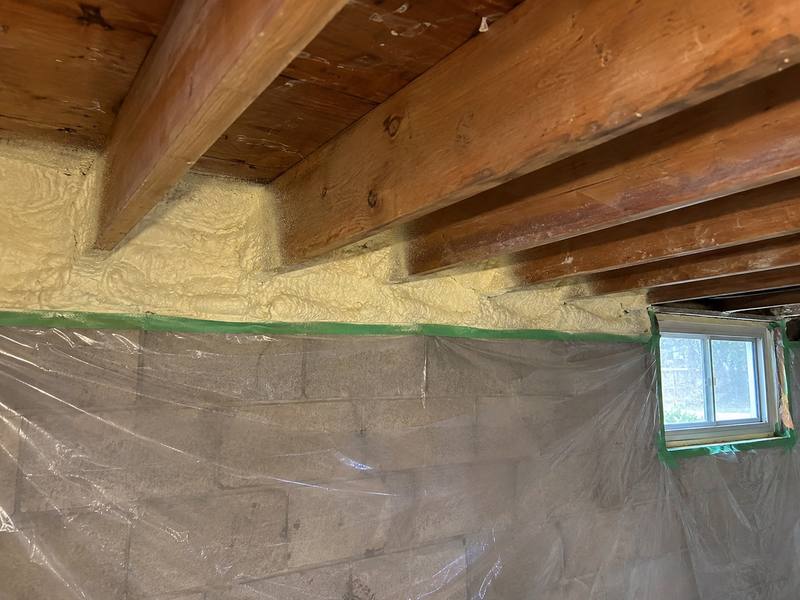
Spray Foam Insulation
Closed-cell foam on rim joists, basement walls and garage ceilings, and a straight answer where foam isn't needed.
Learn more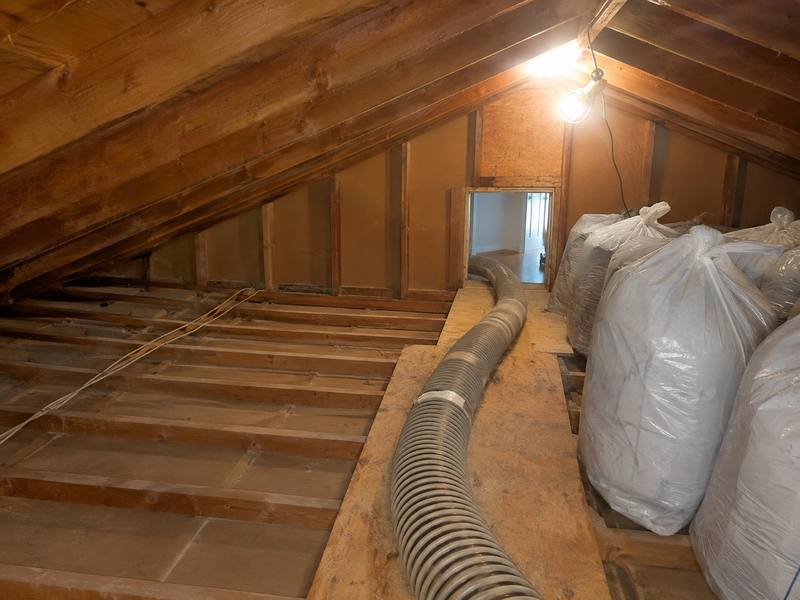
Attic Insulation Removal
Old, wet or rodent-damaged attic insulation taken out before new goes in. Vermiculite stays put until a qualified lab tests it, not us.
Learn more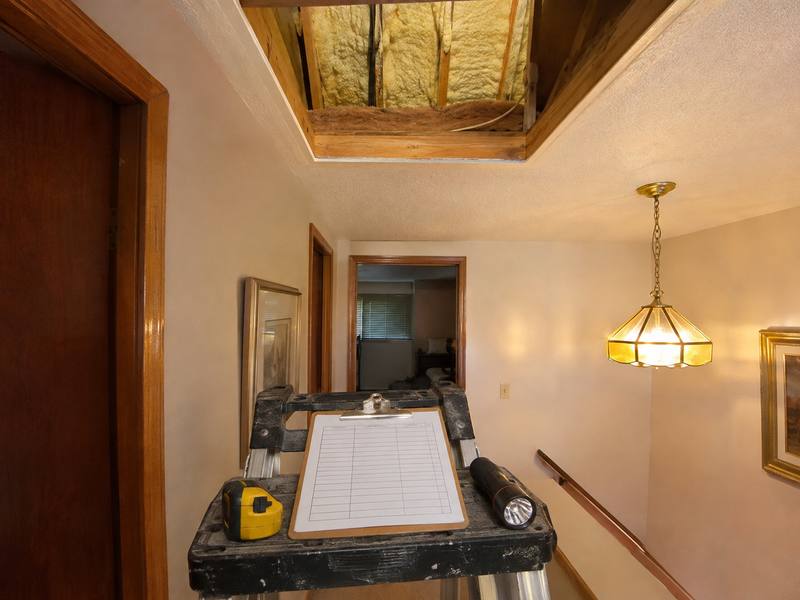
Attic Insulation Rebates & Cost
How Home Renovation Savings fits around an attic job, and what decides the cost of the work.
Learn more
Get a quote
Get an attic insulation quote in Mississauga
Call (437) 563-1473 or send the form. Tell us what you've noticed in the house, like a cold room, frost in the attic or a drafty floor. We'll look at the attic and give you a written list and a quote.